

Quick Summary
Discover the benefits of plain tandoori roti – a wholesome, high-fiber, low-fat flatbread that pairs perfectly with Indian meals.
In This Article
- Historical Roots and Cultural Significance
- Crafting the Perfect Dough: Ingredients and Techniques
- Nutritional Spotlight: Why Fiber and Low Fat Matter
- Pairing Possibilities: From Hearty Curries to Sweet Treats
- Regional Variations and Innovations
- Gluten-Free and Alternative Grain Options
- Sustainability and Whole-Food Philosophy
- Bottom Line
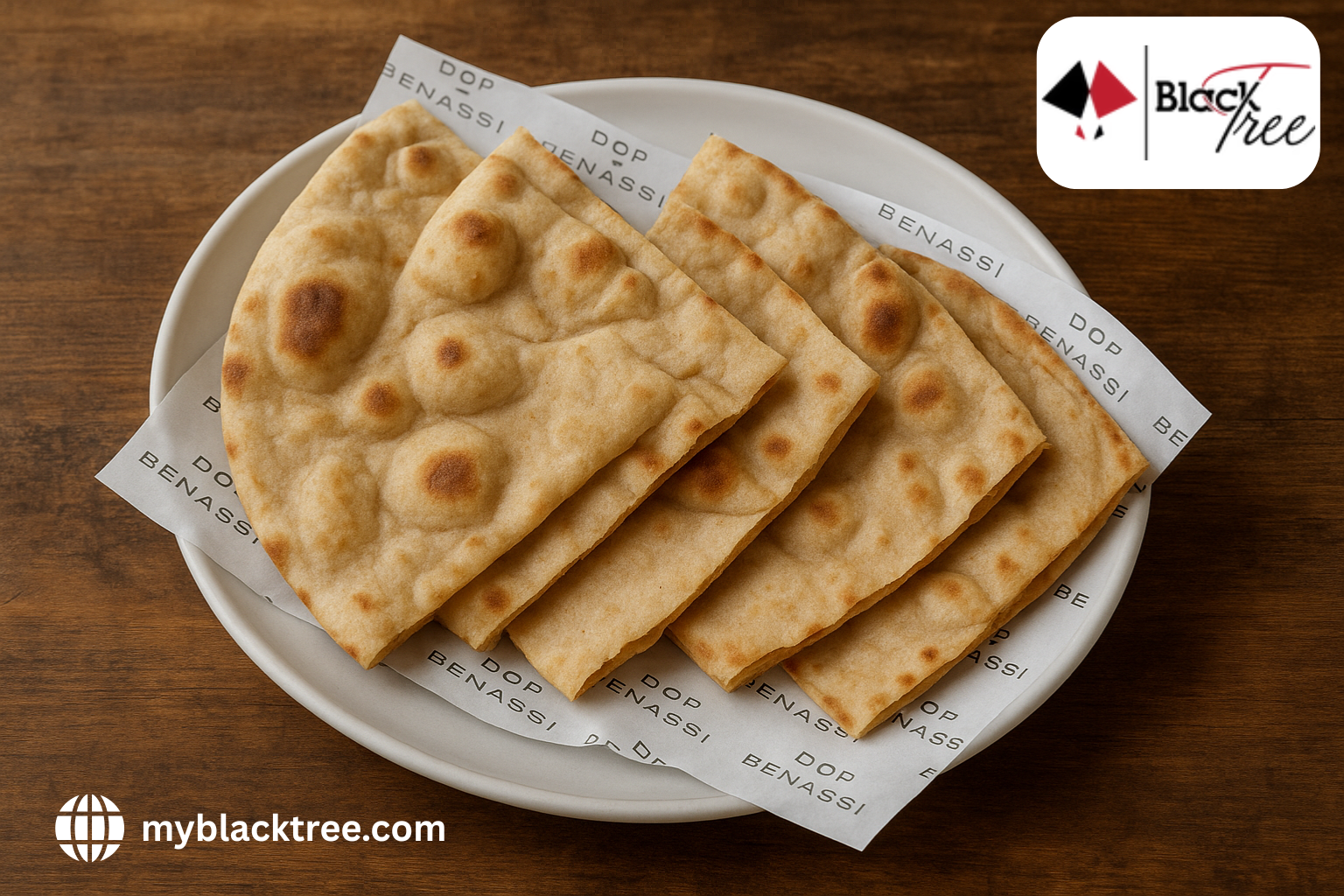
In the vibrant mosaic of Indian cuisine, plain tandoori roti stands out as a testament to the beauty of simplicity. Baked in a traditional clay tandoor at blistering temperatures, this humble flatbread emerges with a satisfyingly chewy bite, smoky accents, and a comforting warmth that complements countless dishes. Beyond its sensory appeal, plain tandoori roti is a nutritional powerhouse—rich in dietary fibre, low in fat, and made from minimal ingredients. Whether you’re pairing it with a robust curry, rolling up veggies and dips, or even enjoying it with a drizzle of honey, this flatbread offers both health benefits and culinary versatility. Through this particular blog, you will come to dive deeper into its origins, preparation, nutritional advantages, creative variations, and ways to make it a regular part of a balanced diet.
Historical Roots and Cultural Significance
The story of tandoori bread traces back over five millennia to the Indus Valley Civilisation, where early clay ovens—precursors to today’s tandoors—were used for baking. Across centuries, the technique evolved under Mughal patronage, giving rise to iconic breads like naan and roti. Plain tandoori roti, in particular, embodies rustic ingenuity: a blend of humble whole-wheat flour, water, and salt transformed by fire into a staple that fuelled farmers, warriors, and royalty alike. Even today, the communal act of gathering around a tandoor in village squares and urban dhabas (roadside eateries) carries rich social and cultural resonance, connecting generations through shared taste and tradition.
Crafting the Perfect Dough: Ingredients and Techniques
At its essence, plain tandoori roti relies on just three primary ingredients:
-
Whole-Wheat Flour (Atta): Offers robust flavour, fibre, and vital nutrients.
-
Water: Hydrates gluten strands for elasticity and structure.
-
Salt: Balances flavour and strengthens gluten formation.
Some artisans enhance the dough with a teaspoon of oil or a splash of yogurt for extra softness. The key steps:
-
Mix & Hydrate: Gradually combine 2 cups of atta with ½ teaspoon of salt. Add ¾ cup warm water in increments, stirring until a rough dough forms.
-
Knead to Perfection: Work the dough for 7–10 minutes until it’s smooth and springy. Good kneading develops gluten, giving roti its characteristic chew.
-
Rest & Relax: Allow the dough to rest, covered, for at least 30 minutes. This relaxes the gluten network, making rolling faster and preventing shrinkage during cooking.
-
Portioning: Divide into 10–12 golf-ball–sized portions. Shape each into a smooth ball before flattening.
This process might seem simple, but mastering hydration ratios and kneading pressure can take several attempts—each batch teaches you more about your flour’s unique absorbency and texture.
Nutritional Spotlight: Why Fiber and Low Fat Matter
A medium plain tandoori roti (~50 g) typically contains:
-
Calories: 115 kcal
-
Carbohydrates: 21 g
-
Dietary Fiber: 3.5 g
-
Protein: 3.8 g
-
Total Fat: 0.6 g
High Fibre Benefits
Dietary fibre isn’t just bulk—it’s a health powerhouse. First, fibre supports smooth digestion by adding volume to stool and feeding beneficial gut bacteria, which in turn produce short-chain fatty acids that protect colon health. Second, fibre slows the rate of stomach emptying, helping you feel full longer and curbing mindless snacking—an essential tool for appetite control and sustainable weight management. Third, by moderating how quickly carbohydrates enter your bloodstream, fibre helps blunt post-meal blood sugar spikes, reducing insulin surges and lowering long-term diabetes risk.
Low-Fat Advantages
With just 0.6 g of fat per roti, this flatbread is an ally for heart health and calorie-conscious diets. Minimal saturated fat means less impact on LDL (“bad”) cholesterol levels, and the low overall fat content keeps each roti well within most calorie budgets. Its lean profile also makes it a flexible canvas: you can pair it with vegetable-based stews, protein-rich dals, or lean meats without upsetting your daily macronutrient balance.
By swapping richer breads—such as buttery naans or layered parathas—with plain tandoori rotis, you preserve the authentic flavours of Indian cuisine while embracing a lighter, fiber-forward approach to healthier eating.
Pairing Possibilities: From Hearty Curries to Sweet Treats
Savory Staples
-
Dal Makhani: Creamy black lentils with garam masala.
-
Butter Chicken: Tomato-based curry enriched with fenugreek.
-
Saag Paneer: Spinach and cheese melded into a silky texture.
-
Chana Masala: Protein-packed chickpeas simmered with spices.
Grilled & Roasted Accompaniments
-
Tandoori Chicken/Paneer Tikka: Marinated bites with charred edges.
-
Seekh Kebabs: Spiced minced meat or vegetable skewers.
-
Fish Amritsari: Crisp, spiced cod morsels.
Fresh Sides & Spreads
-
Raita: Cooling yogurt with cucumber and mint.
-
Chutneys: Mint, coriander, tamarind, or coconut-based dips.
-
Pickles (Achaar): Tangy mango or lemon varieties for an acidic punch.
Sweet Endings
-
Honey & Nut Roll-Ups: Drizzle honey, sprinkle crushed pistachios, and roll.
-
Cinnamon-Sugar Toasts: Butter lightly, dust with cinnamon sugar, and pan-toast.
-
Masala Chai Dunkers: Tear into pieces and dip into spiced tea for a unique dessert.
This breadth of pairings underscores tandoori roti’s role as a true kitchen workhorse—from breakfast through dinner and even into dessert territory.
Regional Variations and Innovations
While the classic recipe remains timeless, regional spins celebrate local tastes:
-
Amritsari Roti: Mixed with nigella seeds (kalonji) for aromatic pops.
-
Methi Roti: Fenugreek leaves kneaded into the dough for a bittersweet note.
-
Missi Roti: A blend of chickpea (besan) and whole-wheat flours, offering extra protein.
-
Lachha Roti: Layered by folding and rolling, creating flaky spirals (though slightly higher in fat).
Modern chefs also experiment with ancient grains—amaranth, buckwheat, or spelt—for gluten-sensitive or gourmet audiences. These adaptations honour tradition while pushing culinary boundaries.
Gluten-Free and Alternative Grain Options
For those with gluten intolerance or celiac disease, achieving roti-like results requires inventive blends:
-
Sorghum (Jowar) Flour: Nutty flavor; often mixed with tapioca starch for pliability.
-
Millet (Bajra) Flour: Earthy taste; pairs well with psyllium husk as a binder.
-
Rice Flour Blends: Combined with xanthan gum to improve elasticity.
Though texture won’t perfectly mimic wheat-based rotis, these versions deliver comparable portability and can be enjoyed with the same array of accompaniments.
Sustainability and Whole-Food Philosophy
Embracing plain tandoori roti aligns with broader whole-food and sustainable eating trends:
-
Minimal Processing: Whole-wheat flour contains all grain components—bran, germ, endosperm—offering maximum nutrition.
-
Zero Waste: Ingredients are pantry staples; leftover rotis can be transformed into croutons, chips, or bread pudding.
-
Local Milling: Supporting local mills reduces packaging and transport emissions.
-
Seasonal Pairings: Combine with seasonal vegetable curries or chutneys, celebrating regional harvests.
Integrating tandoori roti into a mindful diet reflects respect for ingredients, culinary heritage, and environmental stewardship.
Bottom Line
From its ancient origins to contemporary kitchen counters, plain tandoori roti remains a shining example of how simple ingredients—whole-wheat flour, water, and salt—can yield extraordinary results. Its smoky aroma, chewy texture, and high-fiber, low-fat profile make it a standout choice for health-conscious food lovers and home cooks alike. By mastering varied cooking methods, exploring regional adaptations, and pairing them with balanced accompaniments, you unlock the full potential of this age-old flatbread. Let plain tandoori roti become a staple in your culinary repertoire—a bridge between tradition and healthful innovation that nourishes both body and soul.
Experience the timeless flavours of India with BlackTree’s plain tandoori roti. Handcrafted and baked to perfection, this soft, chewy flatbread complements both savoury curries and sweet treats, delivering a smoky aroma and wholesome taste. Naturally high in fibre and low in fat, our roti supports healthy, nutritious meals without compromising flavour. Enjoy convenient delivery across all pin codes, and elevate every dining moment with the authentic goodness of BlackTree’s tandoori roti. Apart from this, if you are looking for a delicious meal, you can also order chilli garlic rice on our website! Visit now!
Frequently Asked Questions: Plain tandoori roti
What is this article about?
Discover the benefits of plain tandoori roti – a wholesome, high-fiber, low-fat flatbread that pairs perfectly with Indian meals.
Where can I buy the products mentioned in this article?
The products mentioned here are available on myblacktree.com — follow the product links in the article to see prices, sizes and availability.
What topics does this article cover?
This article covers: Historical Roots and Cultural Significance; Crafting the Perfect Dough: Ingredients and Techniques; Nutritional Spotlight: Why Fiber and Low Fat Matter; Pairing Possibilities: From Hearty Curries to Sweet Treats; Regional Variations and Innovations; Gluten-Free and Alternative Grain Options; Sustainability and Whole-Food Philosophy.